

Twenty guests or four hundred
Throw the party you keep describing.
I’ll help you build the ambitious version, the one with the candles and the good glass. Then I’ll show you where everyone is supposed to put their drink.
The Wall
Snag what you like. Ignore what you don’t.
Five recent articles from across Tangled Thistle, filtered by the mood you’re after and the number of people you’re actually feeding. Hit the knot to save one. It stays in this browser, no account, no password.
Occasion
Mood
Guests
Where
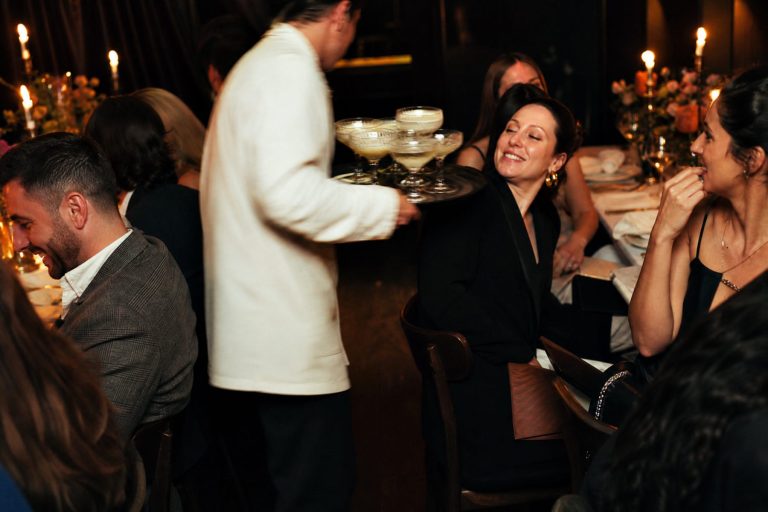 ArticleDinner Service Is Trying to Cross the Dance Floor
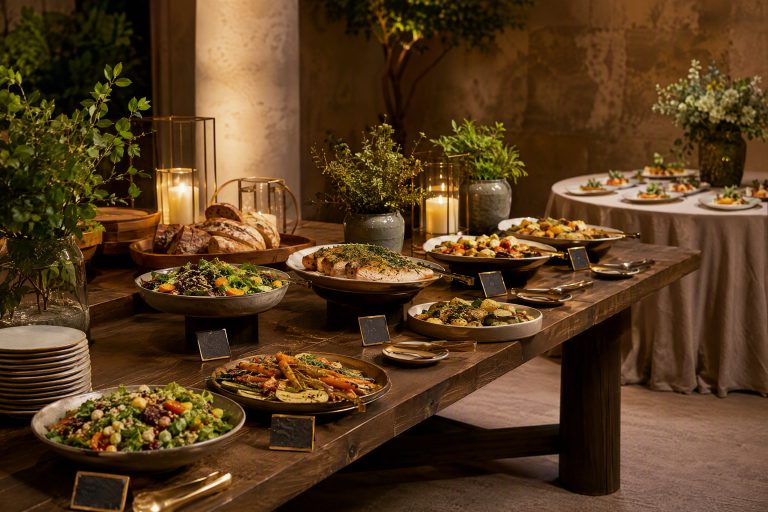 ArticleThe Buffet Is Not Slow. Its First Six Feet Are.
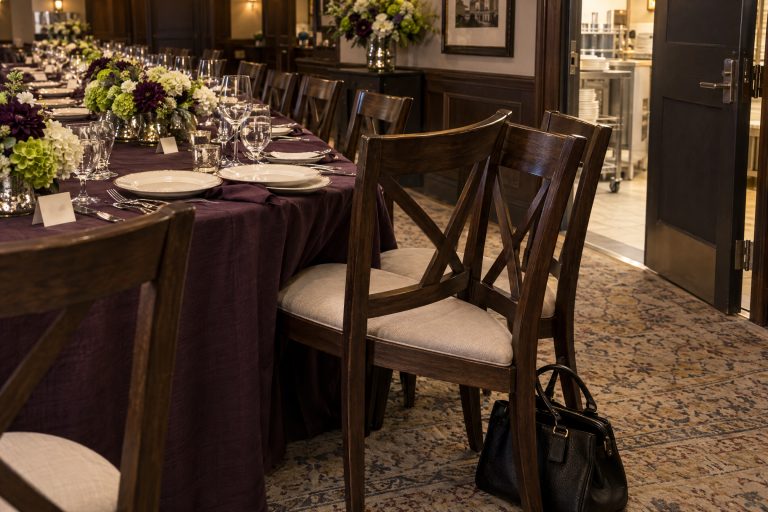 ArticleThe Place Setting Fits. The Person Does Not.
 ArticleCocktail Hour Has No Chairs Because Everyone Assumed It Would Be Short
The working instruments
Three instruments. One event.
The articles are the reasoning. These are where the event gets tested: the room, the atmosphere you are asking it to carry, and the arithmetic that decides whether the plan survives contact with guests.
01 · Room
Space Lab
Build the room once, then test fit, clearances, flow, turnover and the unknowns that still need a site visit. The point is not to search a directory. It is to find out whether this event actually works in this space.
Open Space Lab 02 · Experience AtmosphereCarry the event from concept into guest journey, spatial pressure, production demand, rentals and execution. It is the working desk, not a mood-board generator.
Open the event deskThe Reckoner
Everyone quotes the ratio. Almost nobody does the math.
The usual advice is one bartender for every fifty to seventy-five guests. For a hundred and fifty people that’s two or three, which is a perfectly accurate description of the whole night and a useless description of the first twenty minutes, when everyone arrives thirsty at once.
The Reckoner runs that kind of math on your numbers and tells you which inputs are measured and which ones are somebody’s guess.
The first-drink problem · 150 guests
- Guests who want a drink in the first half hour150 × 70% = 105
- As an hourly rate210 drinks/hour
- What one bartender pours (standard cocktails)25–35/hour
- What the staffing ratio suggests2–3 bartenders
7
pouring positions for the rush
Three versus seven is the whole argument. It’s also the line your guests stand in while they decide whether tonight is going to be any fun.
Who’s doing all this
I’m Rachel. I run this and five other publications from a small town in Montana, after a day job managing technical support. That job made me suspicious of any plan that only describes the happy path. My sister says I go all in on everything, which is true, and it’s exactly why I care where the coats go.